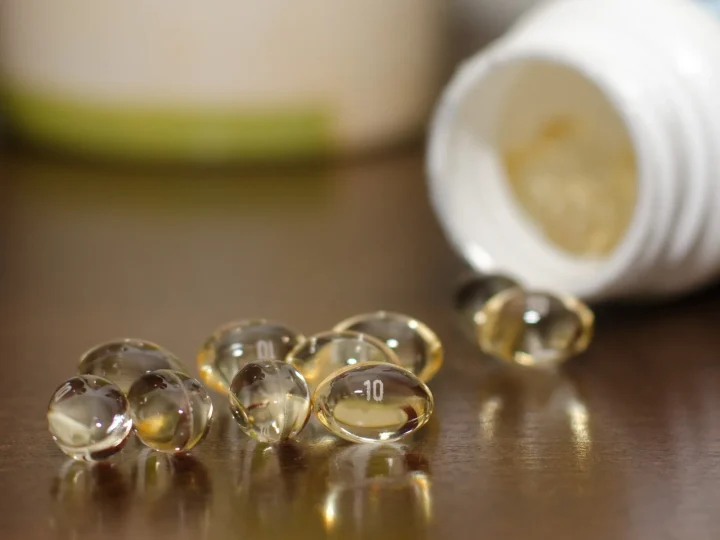
Vitamin E describes a group of fat-soluble compounds. Only alpha-tocopherol is recognized to meet human requirements, which makes the form on a label especially important.
Natural versus synthetic
Natural vitamin E is RRR-alpha-tocopherol and is labeled d-alpha. Synthetic vitamin E is all rac-alpha-tocopherol and is labeled dl-alpha. By weight, the synthetic form has about half the activity of the natural form. Labels may use IU or mg: 1 mg alpha-tocopherol equals 1.49 IU natural or 2.22 IU synthetic.
Tocopherols and tocotrienols
There are four tocopherols and four tocotrienols. The liver preferentially resecretes alpha-tocopherol; other forms are metabolized and excreted. Gamma-tocopherol dominates in many US diets because of soybean, canola, and corn oils.
Esterified forms
Many supplements use alpha-tocopheryl acetate or succinate for shelf stability. These esters are hydrolyzed and absorbed about as efficiently as free alpha-tocopherol.
Reference values and safety
The adult RDA is 15 mg alpha-tocopherol; the UL is 1,000 mg/day for supplemental alpha-tocopherol. Standalone vitamin E products often provide 67 mg or more — label amounts, not recommended intakes. High-dose supplements can increase bleeding risk, and one large trial found increased prostate cancer risk with 400 IU/day synthetic vitamin E.
Reference summary
- Common forms
- Alpha, beta, gamma, delta tocopherols and four tocotrienols. Natural: RRR-alpha-tocopherol (d-alpha); synthetic: all rac-alpha-tocopherol (dl-alpha). Often esterified as acetate or succinate.
- Food sources
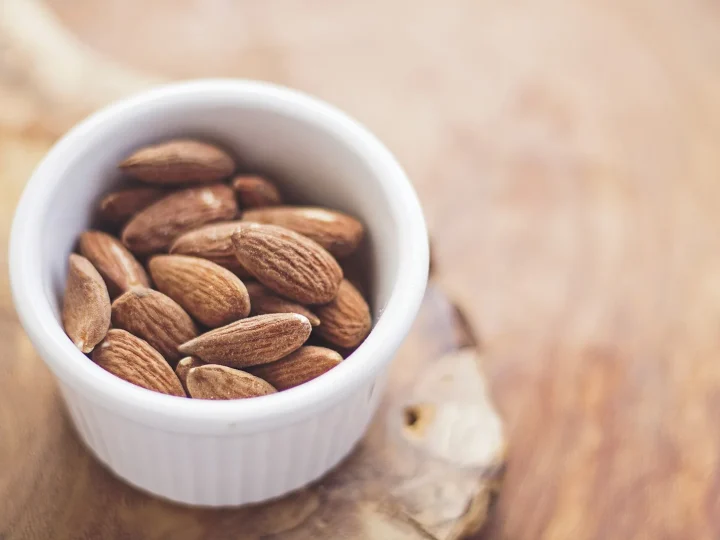
- Wheat germ oil, sunflower seeds and oil, almonds, hazelnuts, peanut butter, corn and soybean oil, green leafy vegetables, kiwifruit, fortified cereals.
- Dietary reference values
- RDA adults 19+: 15 mg alpha-tocopherol for men and women. Pregnancy 15 mg; lactation 19 mg. Infants: AI 4–5 mg.
- Upper intake level
- Adults 19+, including pregnancy and lactation: 1,000 mg/day for all supplemental forms of alpha-tocopherol.
- Safety notes
- High-dose supplements can interfere with coagulation; SELECT found increased prostate cancer risk with 400 IU/day synthetic vitamin E. Evidence for cardiovascular or cancer prevention is not supportive.