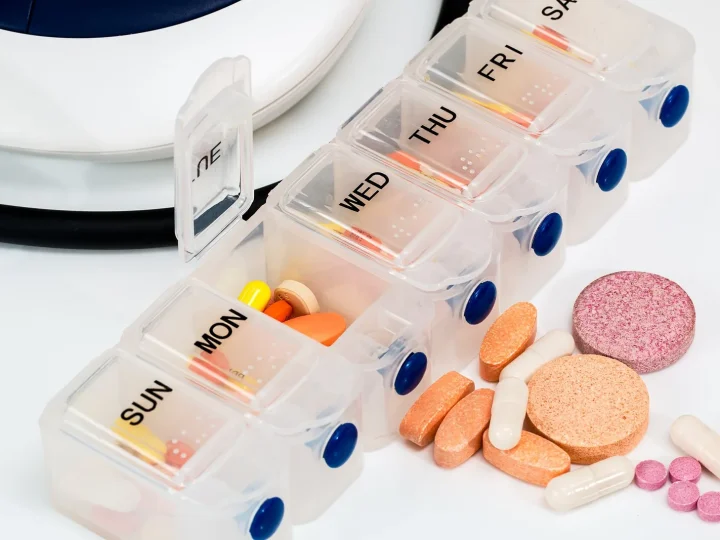
Delivery format influences what a product can contain and how it is used. It does not by itself determine quality.
Capsules
Hard capsules hold powders or oils and are common for B vitamins and mineral blends. Shells may be gelatin or cellulose-based.
Tablets
Tablets can hold high doses of dry ingredients in a small size and are often the most economical format. Binders and coatings are required.
Softgels

Softgel shells enclose liquids or suspensions and are frequently used for fat-soluble vitamins D, E, and K in oil carriers. They may contain gelatin and glycerin.
Gummies
Gummies are palatable but have formulation constraints: nutrients can degrade during manufacturing, and some are difficult to dose at high levels. They usually contain sweeteners and a gelling agent.
Liquids and powders
These allow flexible dosing but depend on accurate measurement. Check the amount per stated volume or scoop.
Sublingual products
Sublingual B12 products are popular, but NIH ODS reports that oral and sublingual forms appear equally effective. Market claims should be checked against evidence.
Comparison advice
Record the format, serving size, other ingredients, and storage instructions. Choose based on the nutrient, dose, and personal requirements rather than format marketing.