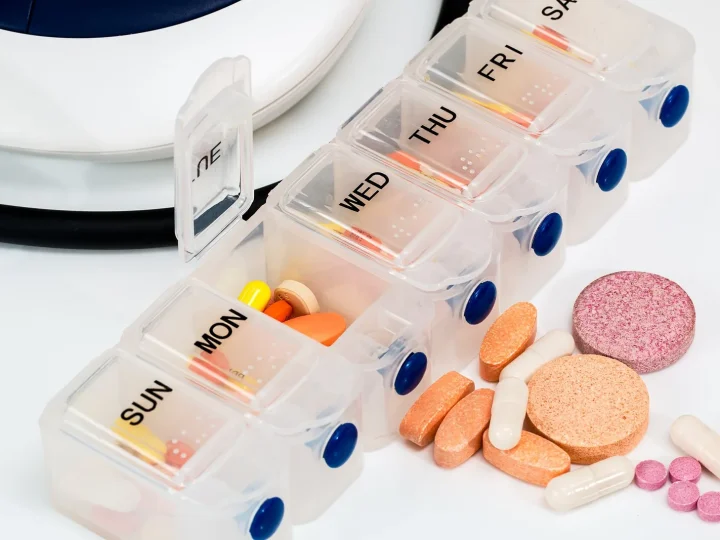
Quality claims on supplement packaging range from precise, checkable statements to broad marketing language. This checklist helps separate them.
Step 1: Classify the claim
A nutrient content claim describes the amount of a nutrient. A structure/function claim describes a role in the body and must carry the FDA disclaimer for dietary supplements. An authorized health claim is supported by authoritative scientific evidence and authorized by FDA. Most vitamin product marketing uses structure/function language, not authorized health claims.
Step 2: Identify who made it
Is the statement from the manufacturer, a certification organization, a laboratory report, or the editorial team? Each has a different evidentiary weight. Our product records label the source type explicitly.
Step 3: Look for a checkable record
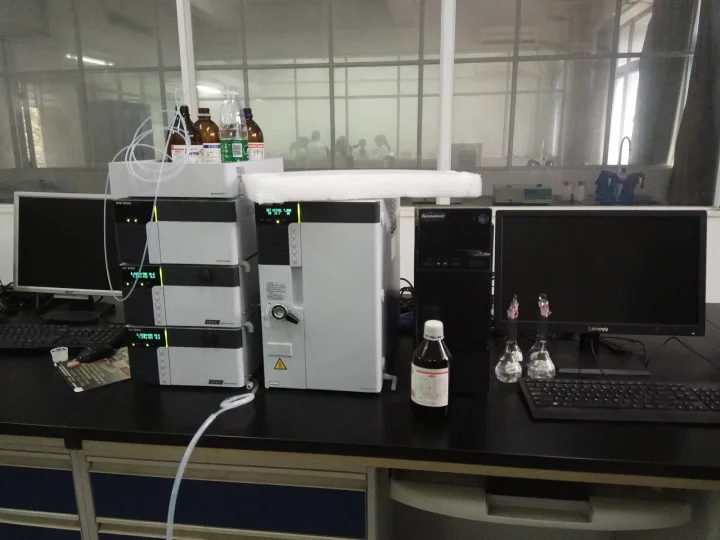
A certification claim should have a listing with the certifier. A testing claim should name the lab and test scope. A “non-GMO” or “organic” claim should point to a certifier where applicable. If no record can be found, mark the claim as manufacturer-reported.
Step 4: Check the date and scope
Certifications can lapse and formulas can change. Record when the information was checked and whether it applies to the exact product and size you are comparing.
Step 5: Do not infer more than the claim says
“Certified for purity” does not mean clinically effective. “Natural” does not mean safer. “High potency” is a marketing phrase, not a standardized quality measure.
Regulatory context
FTC requires health advertising claims to be truthful, non-misleading, and supported by adequate evidence. FDA regulates dietary supplement labeling and requires the disclaimer on structure/function statements. Neither agency approves ordinary dietary supplements before sale.