Certification programs provide a way to check certain aspects of a supplement against a published standard. They do not replace regulatory oversight or prove effectiveness.
What a program may examine
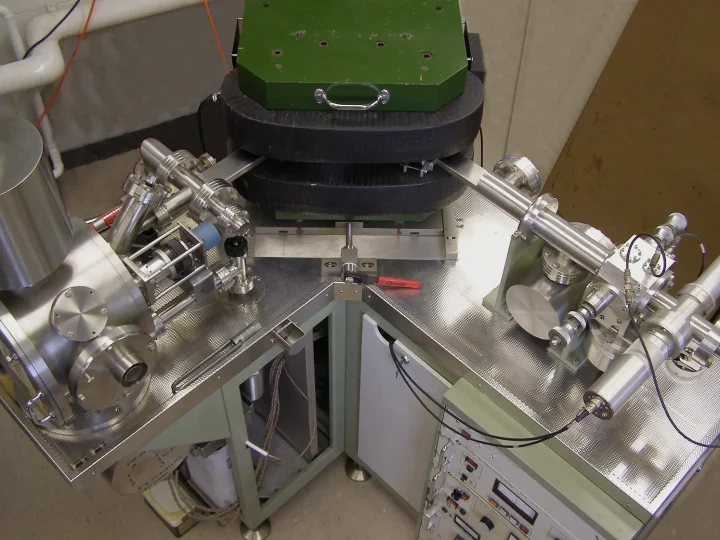
Programs can review ingredient identity, label accuracy, contaminant limits, manufacturing practices, and ongoing compliance. The exact scope differs by program. Record what is actually covered rather than assuming all programs test the same things.
How to verify a certification
- Find the certifying organization named on the label.
- Search the organization’s public listing for the exact product name and size.
- Confirm the listing is current.
- Record the URL and verification date in your notes.
Certification versus approval
A third-party certification is not FDA approval. FDA does not approve dietary supplements before marketing. Certification does not establish that a product treats or prevents disease, and it does not make a product appropriate for every individual.
Ingredient and supply-chain certifications
Some seals apply to a single ingredient or to a supply chain rather than the finished product. These are useful but should not be described as finished-product certification.
How we record certifications
Product records on this site list the organization, the claim as stated, the verification URL, and a data status. If we cannot confirm a listing with the certifier, the claim is recorded as manufacturer-reported.