“Third-party tested” appears on many supplement labels. The phrase can refer to several different activities with very different implications. This guide explains the categories and the questions to ask before accepting the claim.
1. Product certification programs
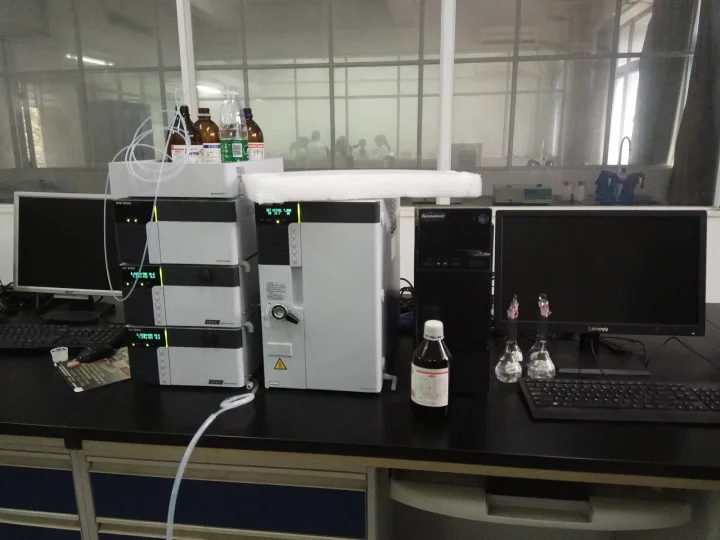
Organizations such as NSF and USP operate certification programs for dietary supplements. A certified product is typically reviewed against program requirements, which may include ingredient identity, label accuracy, contaminant screening, and facility inspection. Certification is product-specific and should be checkable in the certifier’s own listing. Record the organization, the certified product name, and the verification URL.
2. Facility certification or GMP audits
An audit of a manufacturing facility can confirm that certain quality systems are in place. It does not establish that a particular finished batch was independently tested for identity or potency. These claims should be described separately in product records.
3. Batch-specific laboratory testing
A certificate of analysis (COA) applies to a specific lot. It may report identity, assay, microbial limits, heavy metals, or residual solvents. A COA for one lot is not evidence about every lot of the same product. See What a COA can tell you.
4. Unspecified “tested” statements
A marketing statement that a product is “tested for purity” without a named organization, scope, or report cannot be independently checked. We record these as manufacturer-reported statements, not as verification.
Questions to ask
- Who performed the testing or certification?
- Was the finished product, a raw ingredient, or the facility evaluated?
- Which tests were performed and against what limits?
- Is there a public listing or report for this exact product and lot?
- What is the verification date?
What testing cannot establish
Testing does not prove that a product is effective, appropriate for a particular person, or free from every possible contaminant. It also does not replace FDA’s requirement that manufacturers follow current good manufacturing practices. FDA does not approve dietary supplements before marketing.